
Water damage claims
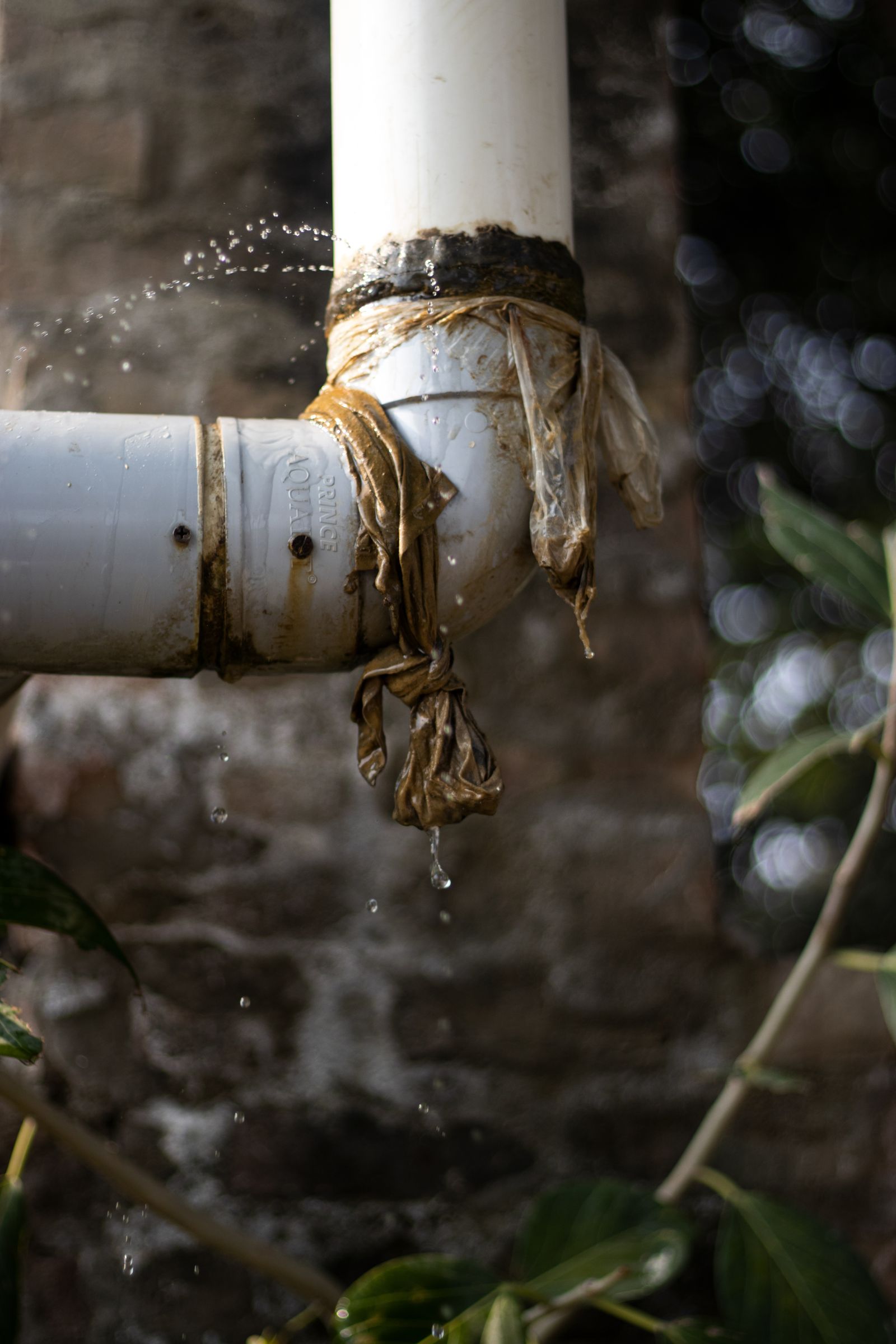
Water damage is one of the most common property insurance claims, and also one of the most contested, because the cause of the water decides how (and whether) it is covered. Document the source, the timeline, and the damage, stop further harm where it is safe to, and keep every record. If the loss is large, the paperwork is overwhelming, or an insurer’s offer looks low, a licensed public adjuster can document and negotiate the claim on your behalf for a fee. This page explains how water claims work and how to find firms with relevant experience.
Water finds every weakness in a building, and it keeps working long after the first drip. A slow supply-line leak behind a wall, a water heater that lets go overnight, a dishwasher hose that fails while you are at work, a roof that gives up during a storm: each starts differently but ends the same way, with soaked materials, swelling floors, stained ceilings, and the risk of mold if the moisture is not removed quickly. Because water damage is so common and so variable, it is also one of the claims insurers scrutinize most closely. The single biggest factor in whether, and how much, you recover is almost never the amount of water. It is the cause, and how well that cause and the resulting damage are documented.
This guide walks through what counts as water damage, how a claim typically moves from discovery to payment, exactly what to document, and the places where water claims most often go wrong. It also explains where a licensed public adjuster, a professional who represents you rather than the insurer, can take over the documentation and negotiation. None of this is legal, financial, or coverage advice; only your policy and your insurer can decide what is covered. Use it to understand the process and to compare firms with relevant experience.
What counts as water damage
“Water damage” is a broad label for harm caused by water escaping where it should not be. In a typical home or building, that includes plumbing failures (burst or leaking supply lines, failed fittings, frozen pipes that split), appliance failures (water heaters, washing machines, dishwashers, refrigerators with ice makers), fixture overflows (tubs, sinks, toilets), roof and window leaks that let rain in, and water that enters because of another covered event, such as the water used to put out a fire.
What that label does not automatically include is flooding. When insurers say “flood,” they mean rising surface water from outside the structure, storm surge, an overflowing river, or heavy runoff that collects on the ground and enters the building. That is treated as a separate peril and is generally excluded from a standard homeowners or commercial property policy, covered instead under dedicated flood insurance. The same inch of water on your floor can be a covered homeowners loss or an excluded flood loss depending only on where the water came from, which is why describing the source accurately matters so much.
Two more distinctions shape coverage. First, sudden and accidental versus gradual: most policies cover water damage that happens suddenly and by accident, but exclude damage that developed slowly over weeks or months from a leak that a reasonable owner would have noticed and fixed. Second, the water damage itself versus the thing that failed: a policy may pay to repair the water-damaged drywall and flooring while not paying to replace the worn-out pipe or appliance that caused it. These are policy questions, not facts you can assume. Describe what you observed plainly and let the policy and adjuster sort out the categories.
Water damage vs. flood: why the difference decides your claim
If you take one thing from this page, take this: the word you use for the water can change the entire outcome. A homeowners policy and a flood policy are different contracts, often with different insurers, different deductibles, and different rules. Calling a plumbing loss a “flood” in casual conversation, or on a claim form, can send it down the wrong track. Calling true rising water “a leak” can do the opposite.
A practical way to keep it straight: ask where the water was immediately before it touched your property. If it came down from the sky and in through a wind-damaged roof, that is typically a wind/water question under your homeowners policy. If it came up from the ground or overflowed a body of water and spread across the surface, that is typically flood. If it came out of your own plumbing or appliances, that is typically water damage under homeowners. Storms blur these lines, which is exactly why post-storm claims are contested so often, see our page on hurricane and wind damage and the flood damage page for how those overlap.
First steps after you discover water damage
Your first job is safety, your second is stopping the water, and your third is documentation, in that order. Water and electricity are a dangerous combination; if water is near outlets, the panel, or appliances, treat the area as hazardous and get a qualified person to make it safe. Do not enter a ceiling that is sagging under trapped water.
Once it is safe, stop the source if you can (shut off the supply valve or the main), and begin reasonable mitigation: move belongings out of the water, start removing standing water, and get air moving to dry things out. Policies generally require this “duty to mitigate,” and failing to act can reduce what you recover. But before and during mitigation, document relentlessly. Photograph and video the source, the standing water, the wet materials, and the contents, from wide shots that show the room to close-ups that show detail. Keep every receipt for emergency work, equipment rental, and temporary repairs. Save the failed part if there is one. A water heater’s burst tank, a cracked fitting, or a failed hose is powerful evidence of a sudden, accidental cause.
How a water damage insurance claim usually works
Most water claims follow the same arc. You give notice to your insurer. The insurer assigns an adjuster, a staff or independent adjuster who works for the company, to inspect and estimate. You (or a mitigation company) dry and stabilize the property. The insurer prepares an estimate and, if the loss is covered, issues payment, often in stages, with recoverable depreciation held back until repairs are done. You repair, submit proof the work was completed, and collect any held-back amount.
Two things make water claims trickier than this summary suggests. First, drying and demolition happen fast, often within days, so the evidence can be gone before anyone measures it unless you captured it. Second, the insurer’s estimate reflects the insurer’s view of cause, scope, and price. If you disagree, the burden of showing a fuller or different scope generally falls on you. That is where documentation and, for larger disputes, professional representation matter most. For a step-by-step view, see the public adjuster claim process.

What to document for a water damage claim
Good documentation is the difference between a claim that moves and one that stalls. Aim to capture:
- The source and cause: photos and video of the failed pipe, appliance, or entry point, and the failed part itself if you can keep it.
- A timeline: when you discovered the water, when it likely started, and when you took each action, which helps show a sudden rather than gradual loss.
- The full extent: every affected room and material, including hidden areas such as under flooring, inside wall cavities, and in the subfloor, with moisture readings if a mitigation company takes them.
- Contents: a room-by-room inventory of damaged belongings with descriptions, and any receipts, model numbers, or photos you already have.
- Mitigation records: invoices for water extraction, drying equipment, dehumidifiers, and any emergency repairs, plus the daily drying logs if a company provides them.
- Additional living expenses, if you had to leave: lodging, meals above normal, and related costs, kept with receipts.
Our checklist of documents to prepare goes deeper. You do not need to upload anything to browse firms on Adjusterio, documentation is for your claim, not for the directory.
Categories of water, and why they change the claim
The restoration industry classifies water by how contaminated it is, and that classification drives the scope of safe repair. In broad terms, clean water (from a supply line or rain) is the least hazardous; gray water (from appliances or fixtures with some contamination) requires more care; and black water (sewage or floodwater carrying contaminants) demands the most protective handling and often the removal of porous materials that touched it. These categories are an industry reference, not a coverage rule, but they matter to your claim because a loss that starts clean can degrade to gray or black if it sits, enlarging the safe scope of work and the cost. The sooner water is removed and the area dried, the smaller the loss tends to stay.
Sewage backups are a special case: they are both a contamination hazard and, under many policies, a separately limited or optional coverage. If you are dealing with a backup, see public adjuster for sewage backup, and address the health hazard with qualified help before anything else.
Hidden damage, mold, and secondary losses
Water rarely stops at the surface it wets. It wicks up drywall, travels under flooring, and collects in wall cavities and subfloors where it is invisible from the room. Left to sit, it feeds mold, which can appear within a day or two in warm, damp conditions and bring its own set of coverage limits and exclusions. A claim scoped only to what is visible can badly undercount the real loss.
This is one of the most common ways water claims are underpaid: the drywall is replaced two feet up, but the moisture that climbed four feet, or spread two rooms over through the subfloor, is missed. Moisture meters, thermal imaging, and simply opening up a small test area can reveal the true extent. If mold is involved, document it, keep it contained, and read your policy’s mold provisions carefully, see public adjuster for mold damage.
Where a public adjuster fits in a water claim
A public adjuster is a state-licensed professional who represents the policyholder, not the insurer, on a property claim. On a water loss they typically inspect and measure the full extent (including hidden moisture), build a detailed, line-item estimate and contents inventory, interpret the policy’s coverages and limits, prepare the proof of loss, and negotiate with the insurer through to settlement. For a small, clearly covered loss with a fair offer, many owners handle the claim themselves. A public adjuster tends to earn their fee on claims that are large, complex, disputed, or where the insurer’s scope seems to miss hidden damage.
A public adjuster is not the same as a restoration contractor or a plumber. The contractor dries and rebuilds; the public adjuster documents and negotiates the claim. Be cautious when one party offers to do both, and ask about any conflict of interest, our page on public adjuster vs. contractor explains the difference.
What public adjusters charge, and what to confirm
Public adjusters usually work on a contingency fee, a percentage of the amount they recover for you, so there is typically no large upfront cost. Several states cap that percentage, and some limit or prohibit contingency fees on certain declared-disaster claims; the specifics depend on where your property sits. Before you sign anything, confirm in writing: the fee percentage and what it applies to, exactly which services are included, how expenses are handled, and how you can cancel. Our guide to how public adjuster fees work covers the common structures and the questions to ask.

How to choose a firm for a water damage claim
Three things matter most. First, a current, verifiable licence in the state where your property is: public adjusting is regulated state by state, and you can confirm a licence through your state department of insurance. On Adjusterio, each eligible firm shows the credential we checked and the date we checked it, and we never sell a verified badge. Second, relevant experience: ask whether the firm regularly handles water losses like yours, clean-water versus sewage, residential versus commercial, simple versus hidden-damage-heavy. Third, clear terms: a written fee agreement and a plain explanation of what happens next. Our list of questions to ask before hiring and the walkthrough on how to hire are good next reads.
Common reasons water claims get underpaid or denied
Knowing where claims go wrong helps you protect yours. The recurring themes are: a disputed cause (the insurer calls it gradual or excluded; you believe it was sudden and covered), missed hidden damage (the visible scope is paid, the concealed moisture is not), contents undervaluation (belongings estimated low or overlooked), depreciation disputes (how much value is held back and whether it is recoverable), and missed deadlines (late notice or an incomplete proof of loss). Most of these are easier to prevent with early, thorough documentation than to fix after the fact, and most are exactly what a public adjuster is engaged to address. If your claim was already denied, see what to do after a denied claim.
How long does a water damage claim take?
There is no fixed timeline, because it depends on the size of the loss, how quickly it was reported and documented, how responsive the insurer is, and whether the cause or scope is disputed. A small, clearly covered loss with good documentation can resolve in a few weeks. A larger loss, one that involves hidden damage, contents, additional living expenses, or a disagreement over cause, can take months, and may be paid in stages rather than all at once. After a widespread storm, when every insurer in the region is handling a surge of claims at the same time, expect slower responses across the board. The best way to avoid delay on your end is to give prompt notice, mitigate, and submit a complete, well-supported proof of loss rather than a partial one that invites back-and-forth. A public adjuster keeps the claim moving through each stage and explains where things stand, but no one, including Adjusterio, can promise a specific timeline or settlement amount.
Renters, condo owners, and landlords: who claims what
Who files, and under which policy, depends on your interest in the property. A homeowner typically claims the structure and contents under one homeowners policy. A renter generally claims damaged belongings and any additional living expenses under a renters policy, while the building owner claims the structure. Condominium losses are split along the lines drawn by the association’s master policy and your individual unit (HO-6) policy, which is a frequent source of confusion over who pays for what, from the studs in versus the studs out. Landlords usually carry a dwelling or landlord policy for the building and may claim lost rent, while tenants claim their own contents. If more than one policy or party is involved, keep your records organized by interest, and confirm with each insurer which policy responds. Investors and landlords can also compare firms by relevant experience on our commercial claims page.
Finding water damage specialists near you
When you are ready, search Adjusterio by your property location to see public adjusters serving your area, compare their recorded licence details and reported experience, and choose which named firms, up to three at a time, you want to contact. Searching and comparing are free, nothing is shared until you give explicit consent, and you can withdraw that consent at any time. You stay in control of who can reach you, and when. Use the button below to compare firms, or start from the adjuster listings.
Frequently asked questions
Is water damage covered by homeowners insurance?
It depends entirely on the cause. Most homeowners policies cover sudden, accidental water damage from inside the home, such as a burst pipe or an overflowing appliance, but exclude damage from gradual leaks, poor maintenance, and flooding (rising external water), which needs separate flood coverage. Only your policy and insurer can determine coverage, so read your policy and confirm with your carrier.
What is the difference between water damage and flood damage?
Insurers treat “flood” as rising surface water from outside the building (storm surge, overflowing rivers, heavy runoff). That is usually excluded from a standard homeowners policy and covered only under separate flood insurance. Other water damage, from a pipe, appliance, or roof leak, may fall under your homeowners policy. The distinction matters because it decides which policy, if any, applies. See our flood damage page.
How long do I have to file a water damage claim?
Most policies require “prompt” notice and reasonable steps to prevent further damage, and some set specific deadlines. Report the loss as soon as you safely can, and do not wait until repairs are finished. Check your policy’s conditions and confirm the deadline with your insurer or your state department of insurance.
Should I start drying and repairs before the adjuster sees it?
Policies generally require you to mitigate, meaning to take reasonable steps to prevent further damage, such as stopping the water and drying the area. Do that, but photograph and video everything thoroughly first, keep receipts for emergency work, and avoid permanent repairs or discarding damaged materials until the loss has been documented.
Does a water damage claim always lead to higher premiums?
Carriers weigh claims history differently, and a single loss affects policies in different ways. This is a question for your agent or insurer, not something Adjusterio can predict. Weigh the size of the loss against the cost and any effect on your policy before deciding how to proceed.
What does a public adjuster charge for a water damage claim?
Public adjusters usually work on a contingency fee set as a percentage of the amount recovered, and several states cap that percentage or restrict fees on certain declared-disaster claims. Get the fee, the services it includes, and the cancellation terms in writing before signing. See our guide to public adjuster fees.
Can a public adjuster help if my water claim was already denied or underpaid?
Often, yes. A public adjuster can review the denial or offer, re-document the loss, and negotiate, as long as the claim is still open or can be reopened or supplemented under your policy and state rules. Bring the denial letter, your policy, and your records. See what to do after a denied claim.
Find water damage claims specialists
Search verified public adjusters serving your area and review each firm’s recorded licence details. Free to search, you choose who can contact you.