Public adjusters in Utah
Denied, underpaid, or delayed property insurance claim in Utah? A licensed public adjuster works for you, not the insurer. Owners here most often file wildfire, winter storm, and flood claims — compare firms serving Utah and review each one’s recorded license details.
- Licensed & verified
- 12 cities covered
- You choose who can contact you
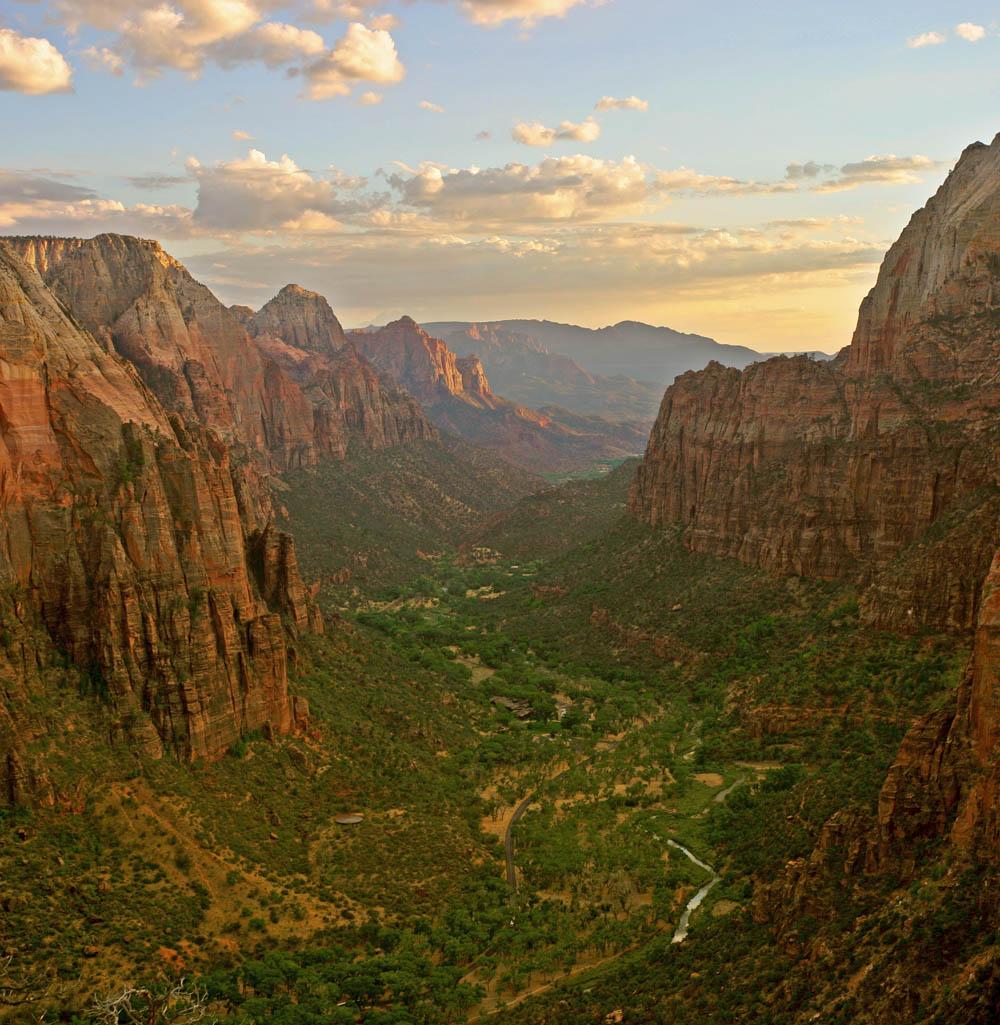
Zion National Park · photo via Wikimedia Commons
Major towns & cities in Utah
Each links to that city’s local public-adjuster guide.
Utah, capital Salt Lake City, is a Mountain West state of the Wasatch Range, Great Salt Lake, and red-rock desert.
Weather & common property claims in Utah
Wildfires, heavy mountain snow, flooding, high winds, earthquake risk, and hail drive claims.
- Wildfire
- Winter storms
- Flooding
- High winds
- Earthquakes
- Hail
Public adjusters listed in Utah
Our verified network is still growing here. You can still get help now: look up and vet a licensed adjuster yourself, or tell us what happened once and we’ll help you find licensed support serving Utah.
Connect with a verified public adjuster in Utah
Tell us what happened once and we’ll connect you with up to three verified adjusters serving Utah. Free for property owners, and you decide who to work with.
Your rights & official resources in Utah
- Public adjuster fees
- Capped at 10% for a catastrophic claim or 20% for a non-catastrophic claim (Utah Code §31A-26-402, enacted 2026), and a public adjuster may not take any fee before your claim settles. If the insurer pays or commits in writing to your full policy limit within 72 hours of the loss being reported, no percentage fee applies. Confirm your fee in writing.
- Claim deadlines
- You must sue within 3 years of the inception of the loss, and Utah voids any policy term that sets a shorter deadline (Utah Code §31A-21-313). Your policy sets the proof-of-loss window; confirm the exact deadlines with the Insurance Department.
- How fast the insurer must act
- Under Utah’s Unfair Claims Settlement Practices rules (Utah Admin. Code R590-190, under Utah Code §31A-26-301), the insurer must acknowledge your claim within 15 days and pay a covered claim within 30 days of receiving written proof of loss, with interest on overdue amounts.
- If you disagree with the offer
- Your policy’s appraisal clause, plus the Insurance Department for help with a disputed claim.
General information, not legal advice. Rules change, so confirm the current details with the Utah Insurance Department. Figures verified as of October 2026.
Why Utah property owners hire a public adjuster
A public adjuster is a licensed insurance professional who works for the policyholder, not the insurance company. After property damage in Utah, your insurer assigns its own adjuster to inspect the loss and estimate what the company will pay. A public adjuster balances that relationship: they read your policy, document the damage independently, build a detailed repair estimate, and negotiate the claim on your behalf so you can focus on getting your home or business back to normal.
Representation matters most when a loss is large, complicated, or disputed. A rushed or under-scoped settlement can leave an owner thousands of dollars short of what it actually costs to rebuild, and once a claim is closed it can be hard to reopen. A public adjuster's job is to make sure the full scope of the loss is captured the first time, supported by the photos, measurements, and itemized estimates an insurer needs in order to pay what the policy owes.
The property losses Utah's weather tends to cause
Utah's climate produces a fairly predictable mix of property claims, and each peril tends to create a particular kind of damage. Wind and hail strip shingles, dent metal, and crack siding; heavy rain and failed roofs lead to water intrusion, saturated drywall, and mold; flooding ruins flooring, foundations, and stored belongings; and fire and smoke leave damage that reaches well beyond the area that actually burned. Knowing which losses are common where you live helps you spot damage early and document it correctly before you file.
Catastrophe events bring their own challenges. After a widespread storm or wildfire, insurers take in a flood of claims at once, inspections get rushed, and settlements can miss damage that is not obvious at first glance. That is often when Utah policyholders find a public adjuster most useful: the firm can inspect the property thoroughly, itemize both the visible and the hidden damage, and push back on an estimate that does not reflect the true cost of repairs in the local market.
How public adjusters are licensed and paid in Utah
Public adjusters working in Utah must hold a license issued by the Utah Insurance Department. A license confirms the adjuster has met the state's requirements and can be held accountable by the regulator if something goes wrong. Before you hire anyone, confirm the license is active and in good standing and that it specifically authorizes public adjusting rather than another line of insurance work.
Public adjusters are usually paid a contingency fee, a percentage of the amount they help you recover, instead of an hourly rate. A number of states cap that percentage, and many tighten the limit further on claims tied to a declared disaster. Ask for the fee agreement in writing before you sign, make sure you understand exactly what the percentage applies to, and confirm the current rules with the Utah Insurance Department so there are no surprises when the claim settles.
How to choose and vet a public adjuster in Utah
Start by verifying the license with the Utah Insurance Department, then look for direct experience with the kind of loss you actually have, because Utah's common claims reward an adjuster who has handled them before. Ask for references from recent clients, read the contract carefully before you sign, and be cautious with anyone who pressures you to commit on the spot or promises a specific dollar figure before they have inspected the damage. A reputable Utah public adjuster will walk you through the process, document everything, keep you informed at each step, and put the fee and scope of work in writing.
Serving communities across Utah
Property claims come from every part of Utah, from larger metros such as Salt Lake City, West Valley City, and Provo to the smaller towns in between. Wherever the damaged property sits, the fundamentals are the same: document the loss, understand what the policy covers, and make sure the final claim reflects the full cost of repair rather than a quick first estimate. The city links further down the page offer more background on each community, and the listings site above shows the adjusters currently listed for the state.
What to do after property damage in Utah
First, make sure everyone is safe and the property is secure; if the damage is severe, follow guidance from local authorities before you go back inside. Photograph and video everything before you move or throw anything away, and make reasonable temporary repairs to prevent further damage while keeping the receipts. Report the loss to your insurer promptly and keep a written record of every call and email about the claim.
For a large, complex, or disputed Utah claim, consider having a licensed public adjuster review the loss before you accept a settlement, a second, independent assessment can reveal damage the first inspection missed. Whoever you work with, verify their license with the Utah Insurance Department first, get the agreement in writing, and never feel rushed into signing. The goal is a settlement that actually pays to put your property back the way it was.
Insurance claim tips for Utah property owners
A short explainer on documenting and handling a property claim like those common in Utah, from USA TODAY on YouTube.
Guides for Utah claims
Plain-language walkthroughs for Utah property owners, from the fundamentals to the losses most common here.
Location
Approximate service area, Utah. Map shows the city, not an exact office address.
Your rights as a Utah policyholder
Public adjusters are licensed professionals, and Utah law sets rules that protect you when you hire one. The essentials below apply in most states; confirm the exact terms for your situation with Utah Insurance Department.
- A written contract. A public adjuster should give you a written agreement stating the fee and the services before working your claim. See what a public adjuster contract covers.
- Fee rules. Public adjusters usually work on a contingency fee, and many states cap or regulate that percentage. Utah sets its own rules, so confirm them with the regulator and read how public adjuster fees work and fee caps by state.
- A right to cancel. Most states give you a short window to cancel a signed public adjuster contract. Confirm the cancellation window, and how to use it, with Utah Insurance Department.
- Solicitation limits. States set rules on how, and how soon after a loss, a public adjuster may contact you. If an approach feels high-pressure, you can slow down and verify the license first.
- License checks and complaints. You can verify any license and file a complaint with your state department of insurance.
This is general information, not legal advice, and the specifics are set by Utah law and your contract. Confirm them with Utah Insurance Department.
Utah resources and authorities
- Utah Insurance Department, the official regulator: verify a public adjuster license and file a complaint.
- NAPIA, the national association of public insurance adjusters.
- DisasterAssistance.gov, federal help after a presidentially declared disaster (FEMA).
- National Weather Service, official forecasts, warnings, and storm records for your area.
- NAIC consumer resources, the national association of insurance commissioners.
- Utah on Wikipedia, geography, climate, and regional background.
- How to verify a public adjuster license, before you hire.
Frequently asked questions
Do I need a licensed public adjuster in Utah?
Public adjusters working in Utah must be licensed by the Utah Insurance Department. You are never required to use one, but for a large or disputed claim many owners find the representation worth it. Whoever you consider, confirm the license is active before you sign anything, and make sure it covers public adjusting rather than another insurance line.
What kinds of property claims are most common in Utah?
Losses in Utah are shaped by its climate. Wildfires, heavy mountain snow, flooding, high winds, earthquake risk, and hail drive claims. Those perils translate into roof and siding damage, water intrusion and mold, flooded contents and foundations, and fire or smoke claims, which is the work Utah public adjusters handle most often.
How do I verify a public adjuster's license in Utah?
Use the official license lookup published by the Utah Insurance Department. Check that the license is active and in good standing, confirm it authorizes public adjusting, and note any disciplinary history before you hire. The regulator is also where you would file a complaint if a problem comes up later.
How much does a public adjuster cost in Utah?
Public adjusters are typically paid a percentage of the settlement they help you recover rather than an hourly rate. Some states cap that percentage, especially on claims after a declared disaster, so confirm the current limit with the Utah Insurance Department, get the fee agreement in writing, and make sure you understand what it applies to before you sign.
What does Adjusterio charge to connect with an adjuster in Utah?
Nothing. Adjusterio is free for policyholders, we never sell your information or charge for introductions. Firms subscribe to use the platform, so there is no per-lead fee and no pressure to accept any particular adjuster. You stay in control of who you talk to and whether you move forward.