Public adjusters in New Mexico
Denied, underpaid, or delayed property insurance claim in New Mexico? A licensed public adjuster works for you, not the insurer. Owners here most often file wildfire, flood, and hail claims — compare firms serving New Mexico and review each one’s recorded license details.
- Licensed & verified
- 12 cities covered
- You choose who can contact you
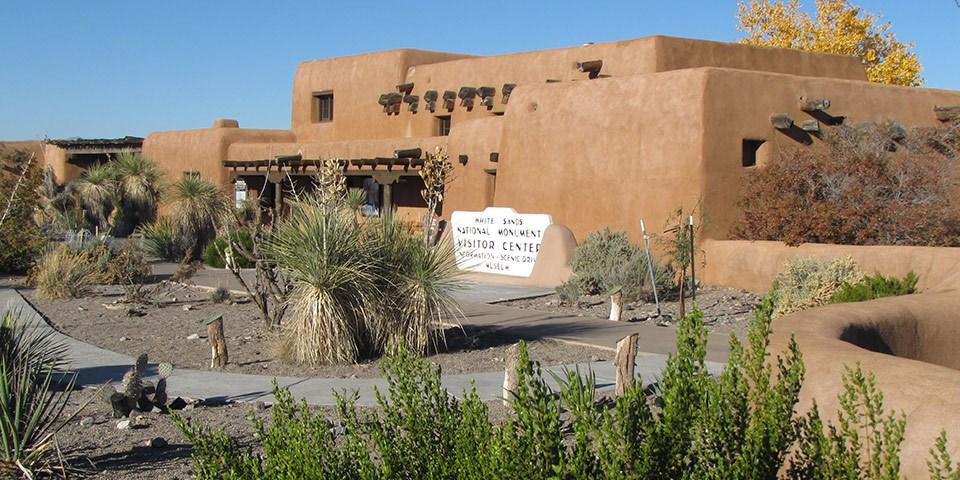
White Sands National Park · photo via Wikimedia Commons
Major towns & cities in New Mexico
Each links to that city’s local public-adjuster guide.
New Mexico, capital Santa Fe, is a Southwestern state of high desert, mountains, and the Rio Grande valley.
Weather & common property claims in New Mexico
Wildfires, monsoon flash flooding, hail, high winds and dust, and winter storms are the leading perils.
- Wildfire
- Flooding
- Hail
- High winds
- Dust storms
- Winter storms
Public adjusters listed in New Mexico
Our verified network is still growing here. You can still get help now: look up and vet a licensed adjuster yourself, or tell us what happened once and we’ll help you find licensed support serving New Mexico.
Connect with a verified public adjuster in New Mexico
Tell us what happened once and we’ll connect you with up to three verified adjusters serving New Mexico. Free for property owners, and you decide who to work with.
Your rights & official resources in New Mexico
- Public adjuster fees
- No statutory percentage cap. The fee is set by your written contract and must be disclosed to you in writing (NMSA §59A-13-14), and you have a 3-business-day right to cancel. Confirm your fee in writing.
- Claim deadlines
- The time to sue on a written contract is 6 years, but your policy controls and New Mexico lets a policy require suit sooner (commonly 1 year), so check your policy (NMSA §37-1-3). Your policy sets the proof-of-loss window; confirm the exact deadlines with the OSI.
- How fast the insurer must act
- New Mexico requires prompt, good-faith claim handling under its Unfair Insurance Practices Act (NMSA §59A-16-20), and a catastrophic claim must be settled within 90 days of being assigned a catastrophe number. Confirm the specific timeline with the OSI.
- Insurer of last resort
- New Mexico Property Insurance Program (the New Mexico FAIR Plan)
- If you disagree with the offer
- Your policy’s appraisal clause, plus the OSI for help with a disputed claim.
General information, not legal advice. Rules change, so confirm the current details with the New Mexico Office of Superintendent of Insurance (OSI). Figures verified as of October 2026.
Why New Mexico property owners hire a public adjuster
A public adjuster is a licensed insurance professional who works for the policyholder, not the insurance company. After property damage in New Mexico, your insurer assigns its own adjuster to inspect the loss and estimate what the company will pay. A public adjuster balances that relationship: they read your policy, document the damage independently, build a detailed repair estimate, and negotiate the claim on your behalf so you can focus on getting your home or business back to normal.
Representation matters most when a loss is large, complicated, or disputed. A rushed or under-scoped settlement can leave an owner thousands of dollars short of what it actually costs to rebuild, and once a claim is closed it can be hard to reopen. A public adjuster's job is to make sure the full scope of the loss is captured the first time, supported by the photos, measurements, and itemized estimates an insurer needs in order to pay what the policy owes.
The property losses New Mexico's weather tends to cause
New Mexico's climate produces a fairly predictable mix of property claims, and each peril tends to create a particular kind of damage. Wind and hail strip shingles, dent metal, and crack siding; heavy rain and failed roofs lead to water intrusion, saturated drywall, and mold; flooding ruins flooring, foundations, and stored belongings; and fire and smoke leave damage that reaches well beyond the area that actually burned. Knowing which losses are common where you live helps you spot damage early and document it correctly before you file.
Catastrophe events bring their own challenges. After a widespread storm or wildfire, insurers take in a flood of claims at once, inspections get rushed, and settlements can miss damage that is not obvious at first glance. That is often when New Mexico policyholders find a public adjuster most useful: the firm can inspect the property thoroughly, itemize both the visible and the hidden damage, and push back on an estimate that does not reflect the true cost of repairs in the local market.
How public adjusters are licensed and paid in New Mexico
Public adjusters working in New Mexico must hold a license issued by the New Mexico Office of Superintendent of Insurance. A license confirms the adjuster has met the state's requirements and can be held accountable by the regulator if something goes wrong. Before you hire anyone, confirm the license is active and in good standing and that it specifically authorizes public adjusting rather than another line of insurance work.
Public adjusters are usually paid a contingency fee, a percentage of the amount they help you recover, instead of an hourly rate. A number of states cap that percentage, and many tighten the limit further on claims tied to a declared disaster. Ask for the fee agreement in writing before you sign, make sure you understand exactly what the percentage applies to, and confirm the current rules with the New Mexico Office of Superintendent of Insurance so there are no surprises when the claim settles.
How to choose and vet a public adjuster in New Mexico
Start by verifying the license with the New Mexico Office of Superintendent of Insurance, then look for direct experience with the kind of loss you actually have, because New Mexico's common claims reward an adjuster who has handled them before. Ask for references from recent clients, read the contract carefully before you sign, and be cautious with anyone who pressures you to commit on the spot or promises a specific dollar figure before they have inspected the damage. A reputable New Mexico public adjuster will walk you through the process, document everything, keep you informed at each step, and put the fee and scope of work in writing.
Serving communities across New Mexico
Property claims come from every part of New Mexico, from larger metros such as Albuquerque, Las Cruces, and Rio Rancho to the smaller towns in between. Wherever the damaged property sits, the fundamentals are the same: document the loss, understand what the policy covers, and make sure the final claim reflects the full cost of repair rather than a quick first estimate. The city links further down the page offer more background on each community, and the listings site above shows the adjusters currently listed for the state.
What to do after property damage in New Mexico
First, make sure everyone is safe and the property is secure; if the damage is severe, follow guidance from local authorities before you go back inside. Photograph and video everything before you move or throw anything away, and make reasonable temporary repairs to prevent further damage while keeping the receipts. Report the loss to your insurer promptly and keep a written record of every call and email about the claim.
For a large, complex, or disputed New Mexico claim, consider having a licensed public adjuster review the loss before you accept a settlement, a second, independent assessment can reveal damage the first inspection missed. Whoever you work with, verify their license with the New Mexico Office of Superintendent of Insurance first, get the agreement in writing, and never feel rushed into signing. The goal is a settlement that actually pays to put your property back the way it was.
Insurance claim tips for New Mexico property owners
A short explainer on documenting and handling a property claim like those common in New Mexico, from USA TODAY on YouTube.
Guides for New Mexico claims
Plain-language walkthroughs for New Mexico property owners, from the fundamentals to the losses most common here.
Location
Approximate service area, New Mexico. Map shows the city, not an exact office address.
Your rights as a New Mexico policyholder
Public adjusters are licensed professionals, and New Mexico law sets rules that protect you when you hire one. The essentials below apply in most states; confirm the exact terms for your situation with New Mexico Office of Superintendent of Insurance.
- A written contract. A public adjuster should give you a written agreement stating the fee and the services before working your claim. See what a public adjuster contract covers.
- Fee rules. Public adjusters usually work on a contingency fee, and many states cap or regulate that percentage. New Mexico sets its own rules, so confirm them with the regulator and read how public adjuster fees work and fee caps by state.
- A right to cancel. Most states give you a short window to cancel a signed public adjuster contract. Confirm the cancellation window, and how to use it, with New Mexico Office of Superintendent of Insurance.
- Solicitation limits. States set rules on how, and how soon after a loss, a public adjuster may contact you. If an approach feels high-pressure, you can slow down and verify the license first.
- License checks and complaints. You can verify any license and file a complaint with your state department of insurance.
This is general information, not legal advice, and the specifics are set by New Mexico law and your contract. Confirm them with New Mexico Office of Superintendent of Insurance.
New Mexico resources and authorities
- New Mexico Office of Superintendent of Insurance, the official regulator: verify a public adjuster license and file a complaint.
- NAPIA, the national association of public insurance adjusters.
- DisasterAssistance.gov, federal help after a presidentially declared disaster (FEMA).
- National Weather Service, official forecasts, warnings, and storm records for your area.
- NAIC consumer resources, the national association of insurance commissioners.
- New Mexico on Wikipedia, geography, climate, and regional background.
- How to verify a public adjuster license, before you hire.
Frequently asked questions
Do I need a licensed public adjuster in New Mexico?
Public adjusters working in New Mexico must be licensed by the New Mexico Office of Superintendent of Insurance. You are never required to use one, but for a large or disputed claim many owners find the representation worth it. Whoever you consider, confirm the license is active before you sign anything, and make sure it covers public adjusting rather than another insurance line.
What kinds of property claims are most common in New Mexico?
Losses in New Mexico are shaped by its climate. Wildfires, monsoon flash flooding, hail, high winds and dust, and winter storms are the leading perils. Those perils translate into roof and siding damage, water intrusion and mold, flooded contents and foundations, and fire or smoke claims, which is the work New Mexico public adjusters handle most often.
How do I verify a public adjuster's license in New Mexico?
Use the official license lookup published by the New Mexico Office of Superintendent of Insurance. Check that the license is active and in good standing, confirm it authorizes public adjusting, and note any disciplinary history before you hire. The regulator is also where you would file a complaint if a problem comes up later.
How much does a public adjuster cost in New Mexico?
Public adjusters are typically paid a percentage of the settlement they help you recover rather than an hourly rate. Some states cap that percentage, especially on claims after a declared disaster, so confirm the current limit with the New Mexico Office of Superintendent of Insurance, get the fee agreement in writing, and make sure you understand what it applies to before you sign.
What does Adjusterio charge to connect with an adjuster in New Mexico?
Nothing. Adjusterio is free for policyholders, we never sell your information or charge for introductions. Firms subscribe to use the platform, so there is no per-lead fee and no pressure to accept any particular adjuster. You stay in control of who you talk to and whether you move forward.